
Advancing Concussion Knowledge
Concussion is a significant public health issue for adolescents, with many experiencing Persistent Post-Concussion Symptoms (PPCS).
Concussion, a form of mild traumatic brain injury (mTBI), occurs in 1.1 to 1.9 million individuals under 18 years of age every year in the United States.¹ While post-concussive symptoms typically resolve in 14-35 days, a substantial proportion of youth and teens endure PPCS beyond normal resolution. PPCS is associated with diminished quality of life for patients and their families.² ³ Currently, we are unable to effectively predict which individuals are most likely to develop chronic symptoms. Better understanding of this topic is essential to developing targeted, evidence-based treatments to address PPCS.
Current clinical practice emphasizes education, anticipatory guidance, reassurance and treatment of clinical symptoms. While these guidelines are adequate for patients with typical recovery, providers of patients who experience chronic symptoms are left with few treatment options because the evidence base for treatment of youth with PPCS is lacking. Moreover, there are no concrete guidelines for effective symptom management, and few clinical intervention trials targeting PPCS in children and adolescents. The constellation of PPCS is broad and encompasses multiple symptom domains often requiring attention from multiple specialists (Sports Medicine, Rehabilitation Medicine, Neurology, Neuropsychology, and Psychiatry) as well as coordination with schools. Thus, healthcare providers face a major challenge in managing patients with PPCS.
There is limited evidence to guide intervention for concussion-exposed youth with persistent symptoms.
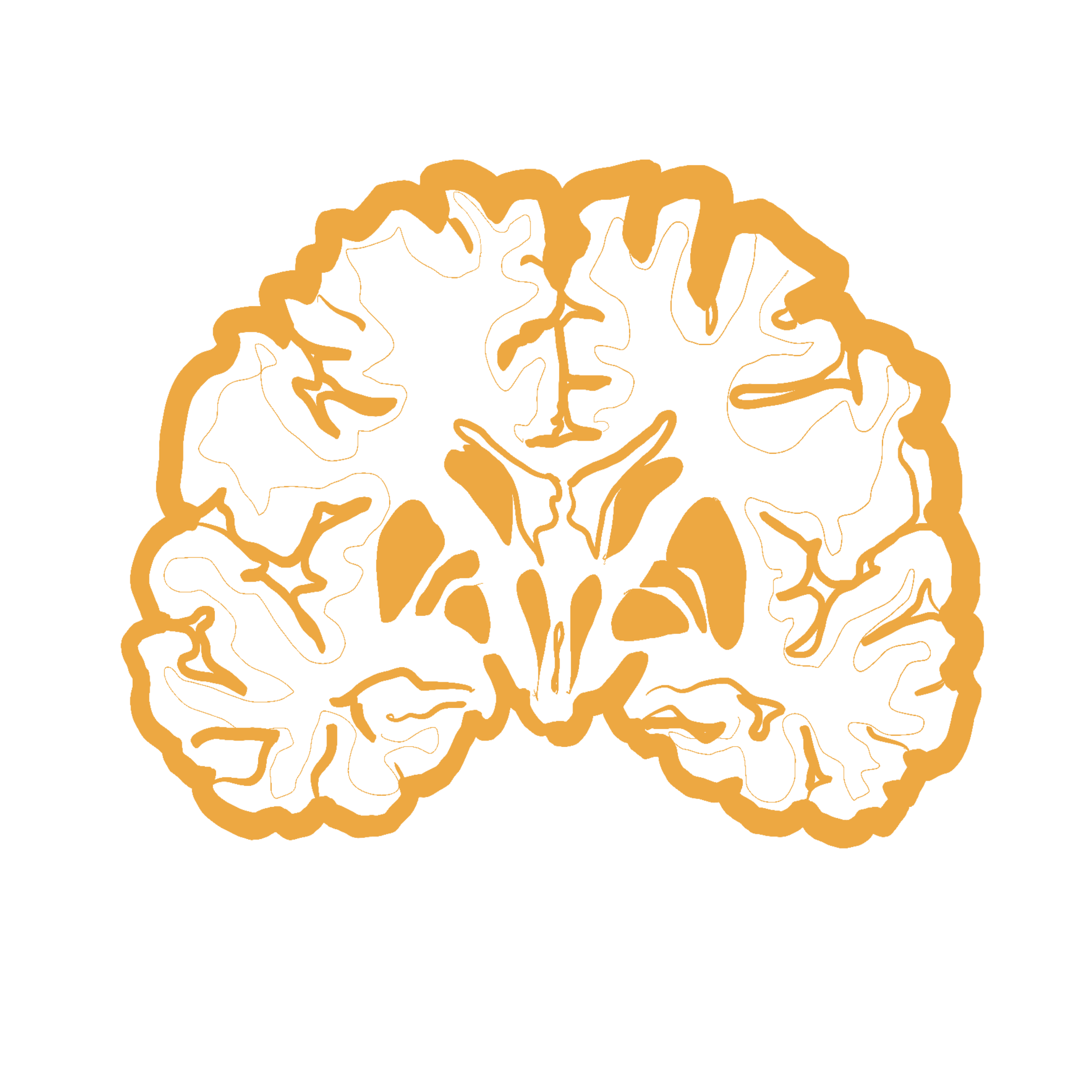
It is the central goal of this project to develop and validate objective biomarkers that are associated with PPCS in adolescents.
“ Over 15% of adolescents will sustain a concussion this year⁴. “
-Dr. Christopher Giza, MD
Pediatric & Sports Neurologist | Principal Investigator, CARE4Kids | Professor, UCLA
-
Neuroimaging
-

Blood-based
-

Neurocognitive
-

Autonomic
1. Bryan MA, Rowhani-Rahbar A, Comstock RD, Rivara F, Seattle Sports Concussion Research Collaborative on behalf of the SSCR. Sports- and Recreation-Related Concussions in US Youth. Pediatrics. 2016;138(1):e20154635. PMID:27325635
2. Brooks BL, Plourde V, Beauchamp MH, et al. Predicting Psychological Distress after Pediatric Concussion. J Neurotrauma. 2019;36(5):679-685. PMID:30032719
3. Novak Z, Aglipay M, Barrowman N, et al. Association of persistent postconcussion symptoms with pediatric quality of life. JAMA Pediatr. 2016;170(12):1-8.
4. DePadilla L, Miller GF, Jones SE, Peterson AB, Breiding MJ. Self-Reported Concussions from Playing a Sport or Being Physically Active Among High School Students - United States, 2017. MMWR Morb Mortal Wkly Rep. 2018;67(24):682-685. Published 2018 Jun 22. doi:10.15585/mmwr.mm6724a3